
March 3, 2026
As we conclude our Bond Information Series, we want to take a moment to sincerely thank our Lansing community. Over the past several weeks, we have seen thoughtful questions, res...
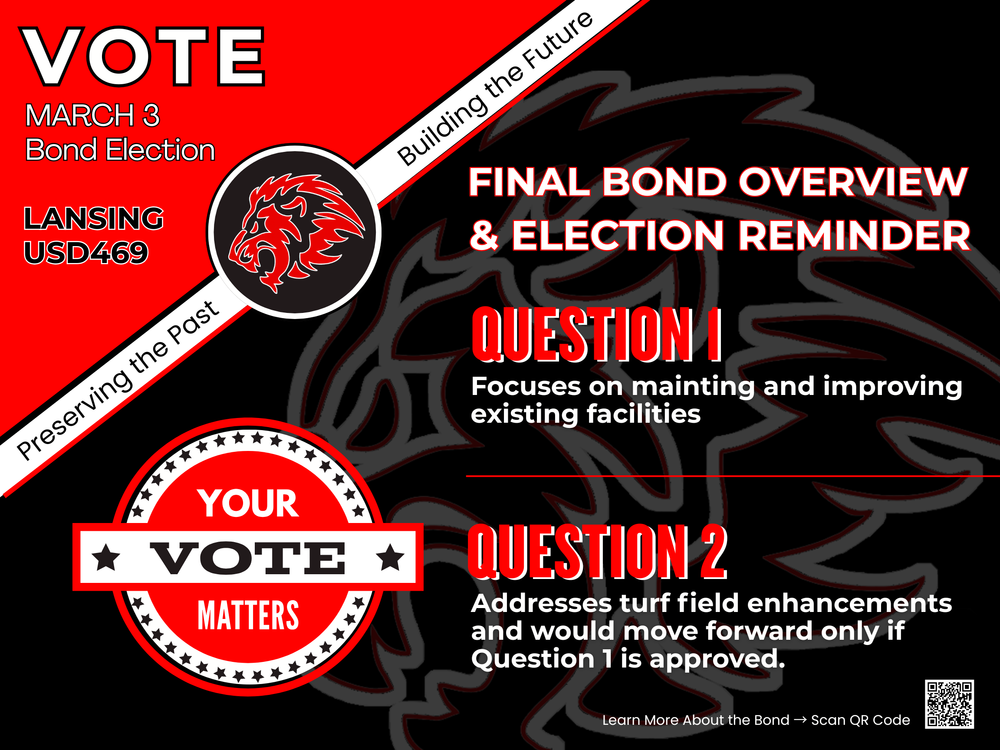
March 2, 2026
As we approach the March 3 bond election, we would like to provide a brief overview of the proposal and remind our community about voting information. The proposed bond include...
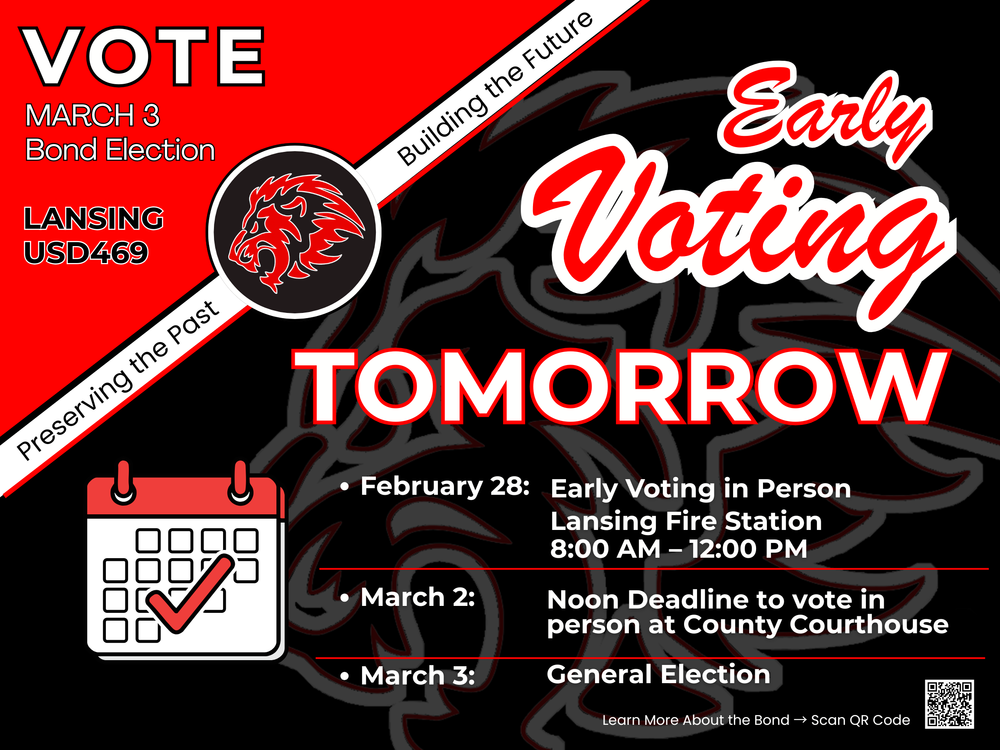
February 27, 2026
Early Voting Reminder – Saturday, 8:00 AM–Noon Early in-person voting for the March 3 bond election will take place: Saturday, February 28th 8:00 AM – 12:00 PM Lansing Fire ...

February 26, 2026
In this episode of The Lion Pride-Cast , Sharon Burns and Miles Azzeh welcome Superintendent Marty Kobza for a detailed question-and-answer conversation about the proposed bond. ...
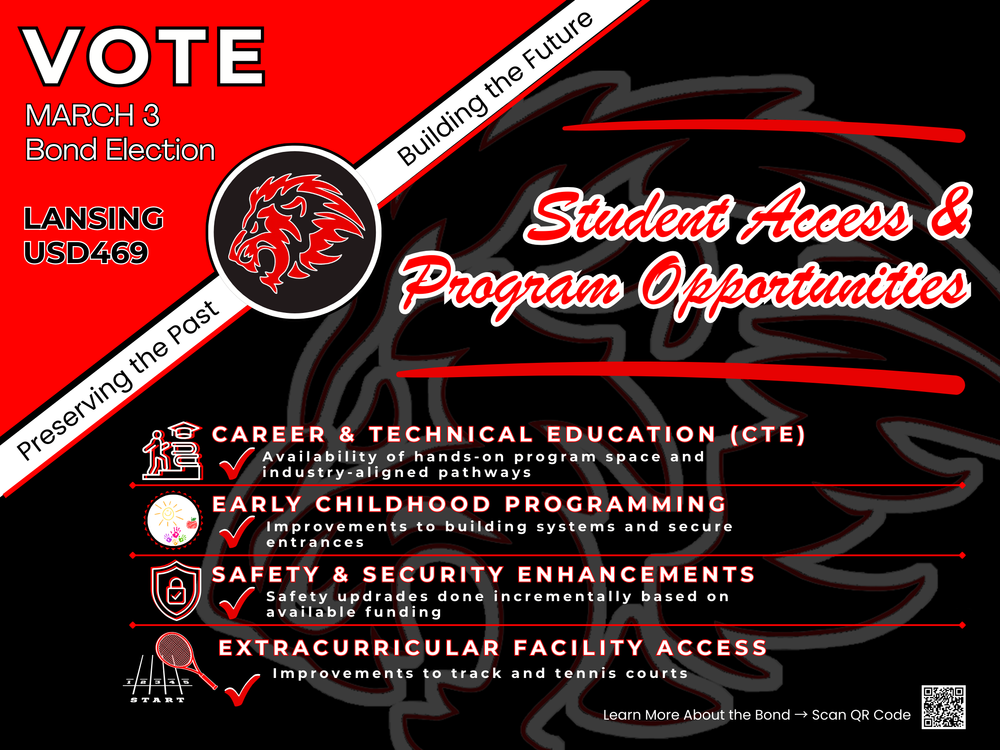
February 25, 2026
The purpose of this series is to provide factual information about potential operational impacts under different scenarios related to the proposed bond. We’ve received questions ...
February 24, 2026
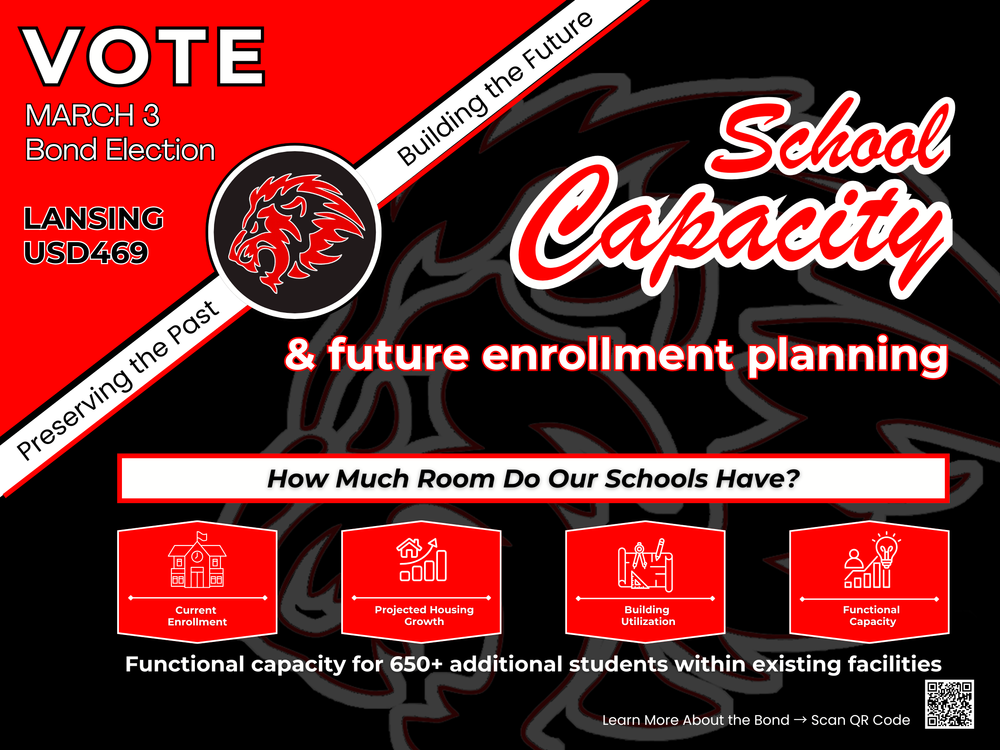
We’ve heard questions and seen some confusion regarding school capacityand whether the district may soon need to build new schools due to growth. To help clarify, here is what...
February 23, 2026
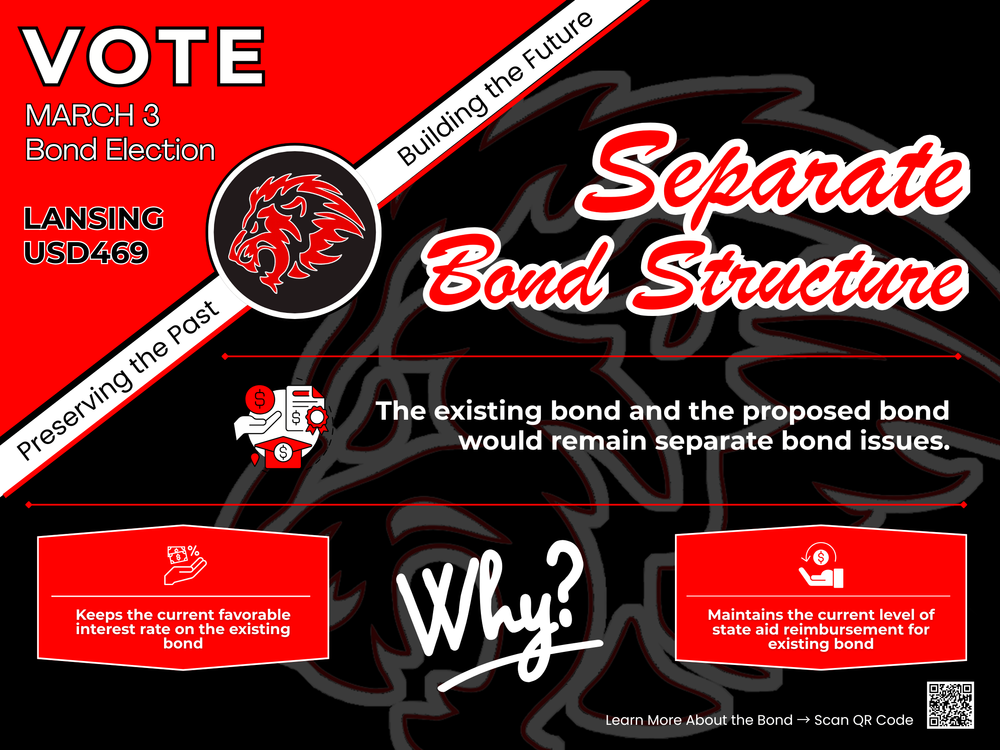
We’ve heard questions and seen some inaccurate information regarding how the proposed bond would be financed, so we want to clarify. One of the most common misconceptions is tha...
February 23, 2026
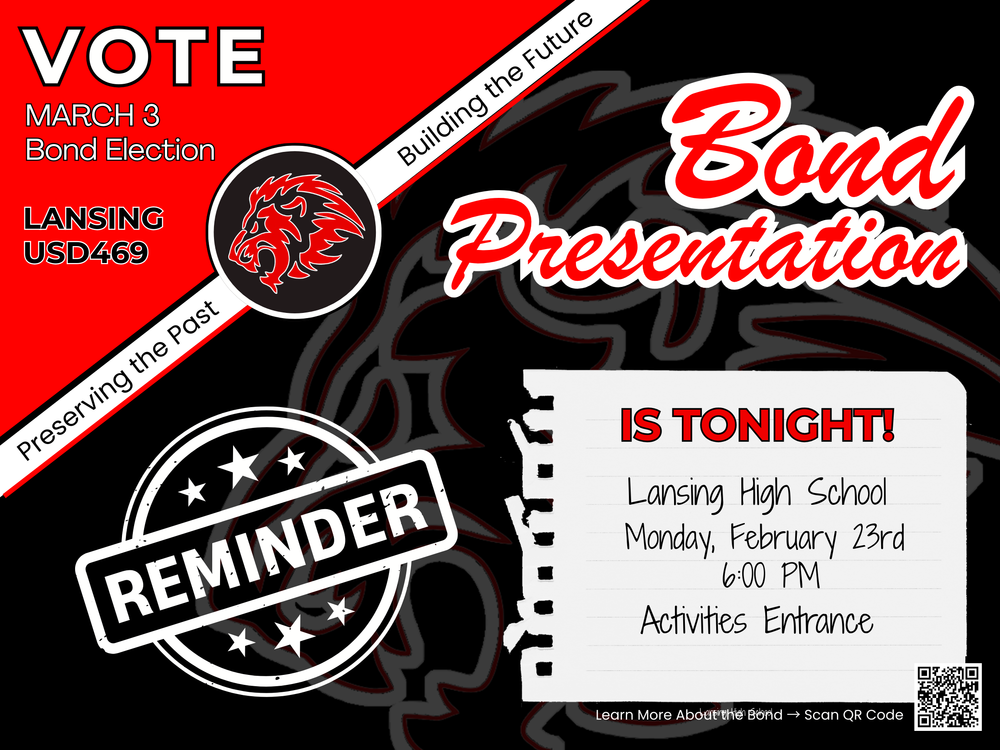
Lansing USD 469 will host a public bond information meeting tonight at 6:00 PM in the Lansing High School Auditorium. Community members may enter through the Activities Entrance....
February 20, 2026
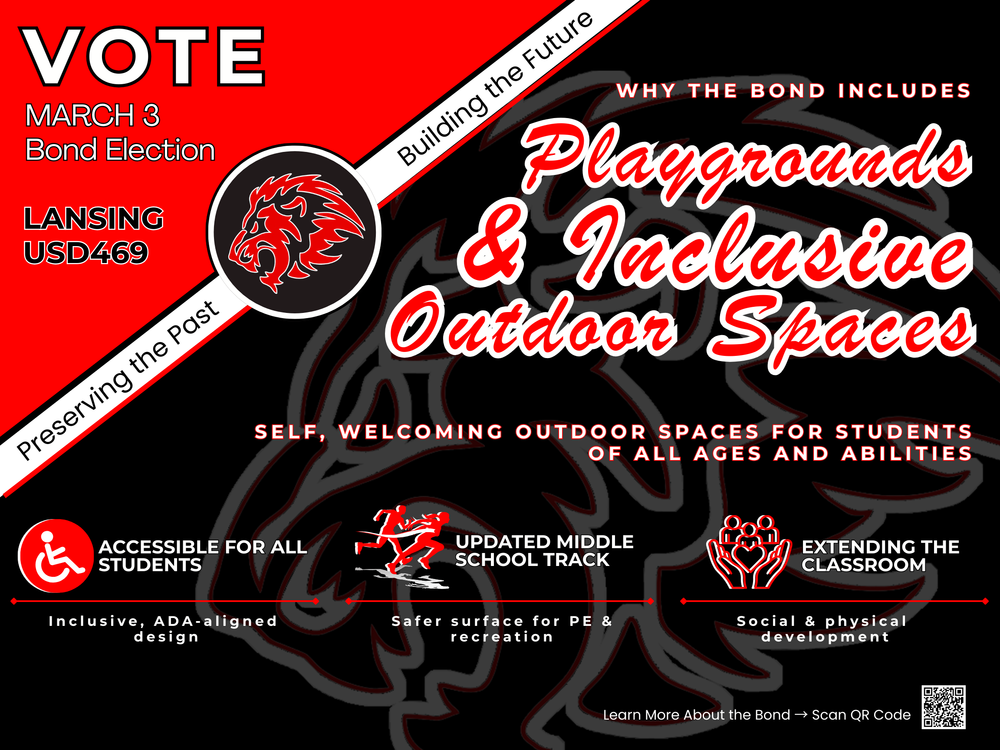
Listening to Our Community Throughout the bond planning process, families and staff emphasized the importance of maintaining safe, welcoming spaces for all students. Playgr...
February 19, 2026
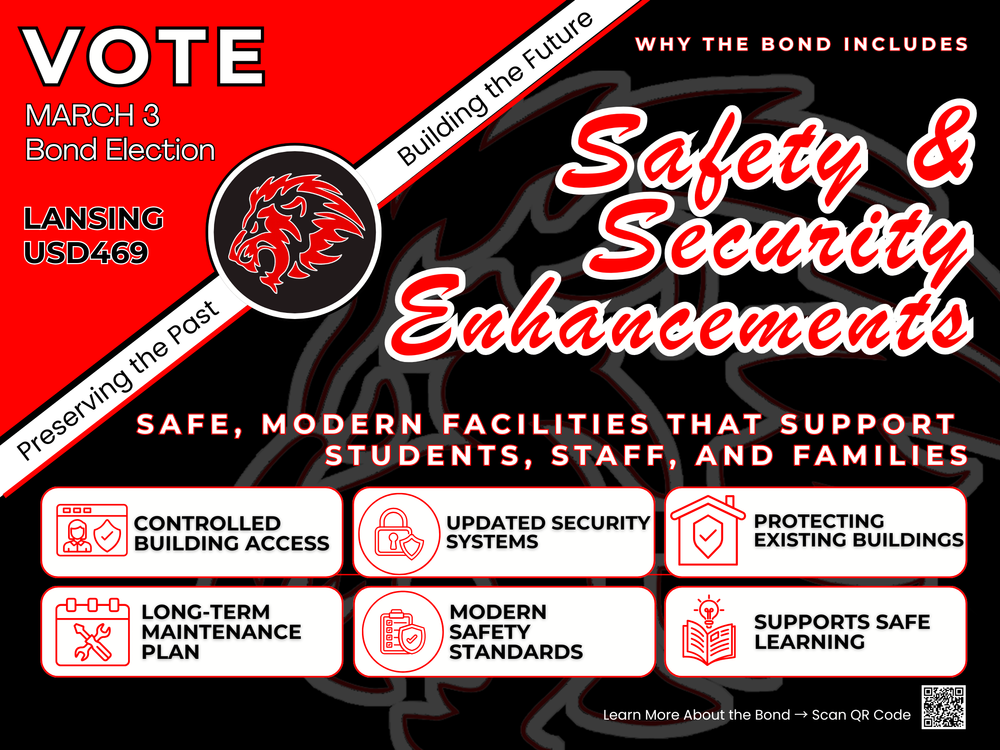
Listening to Our Community Throughout the facility planning process, safety and security were consistently identified as top priorities. Community feedback emphasized two im...
February 18, 2026
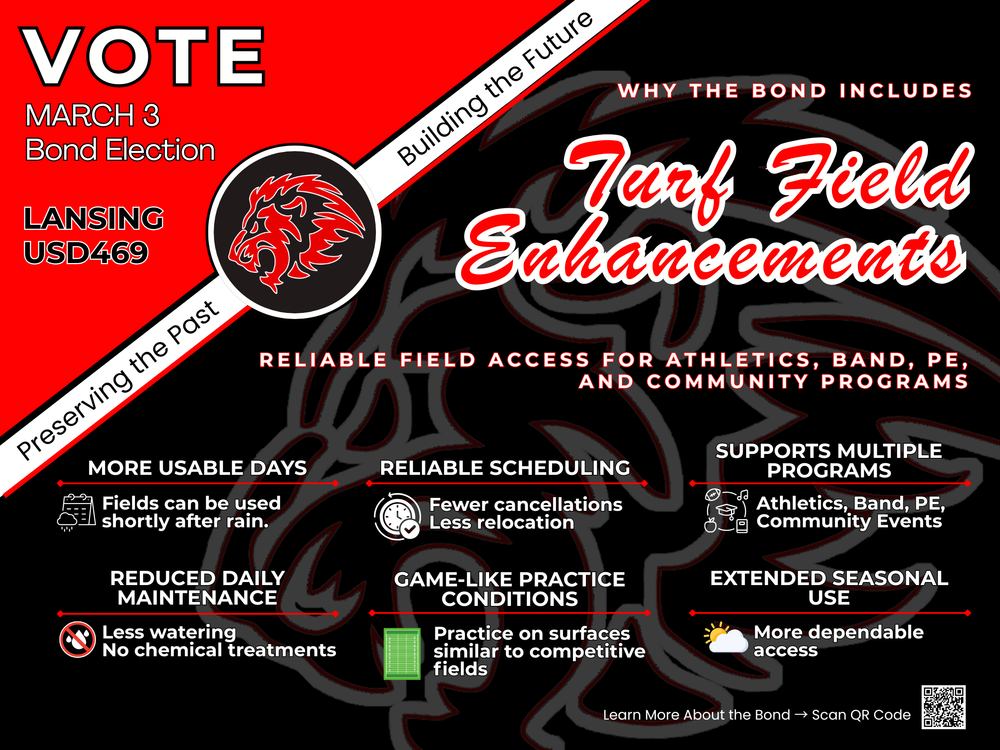
Overview As part of the proposed March 3 bond election, Lansing USD 469 is providing factual information about the turf component, which appears as Question 2 on the ballot. ...

February 17, 2026
Superintendent Marty Kobza will be providing an informational presentation on the proposed March 3 bond tonight at the Lansing Library. 🗓 Tuesday, February 17 🕕 6:00 PM 📍 La...
February 16, 2026
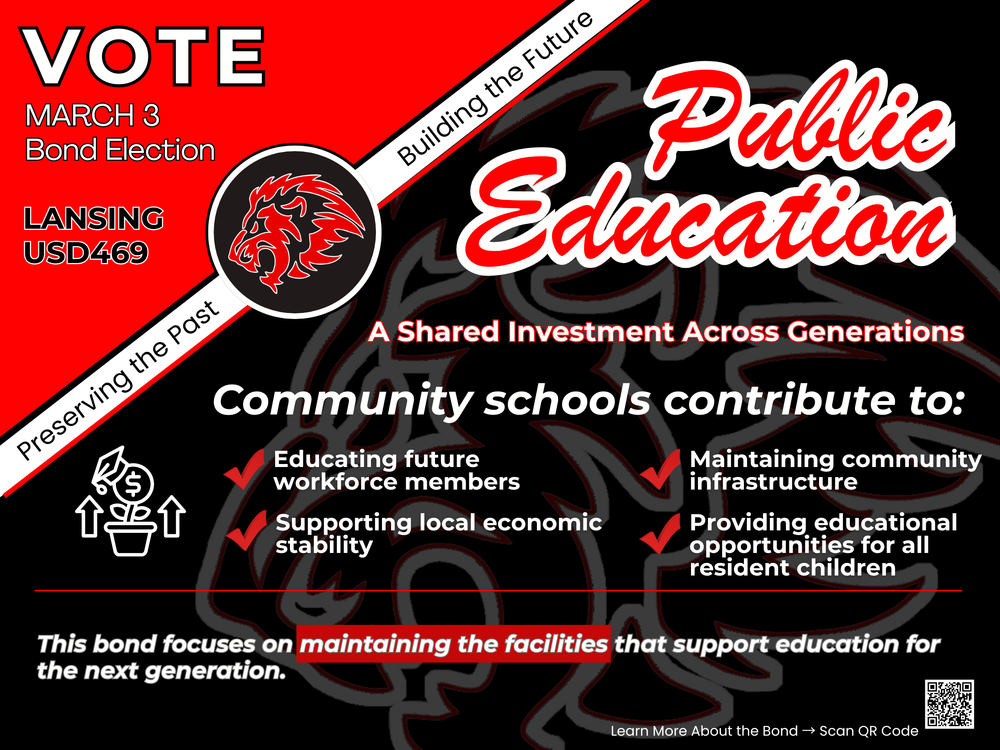
On average, it costs approximately $15,000 per student per year to provide public education in Kansas. Over the course of a full K-12 education, that totals nearly $195,000 per chi...
February 13, 2026
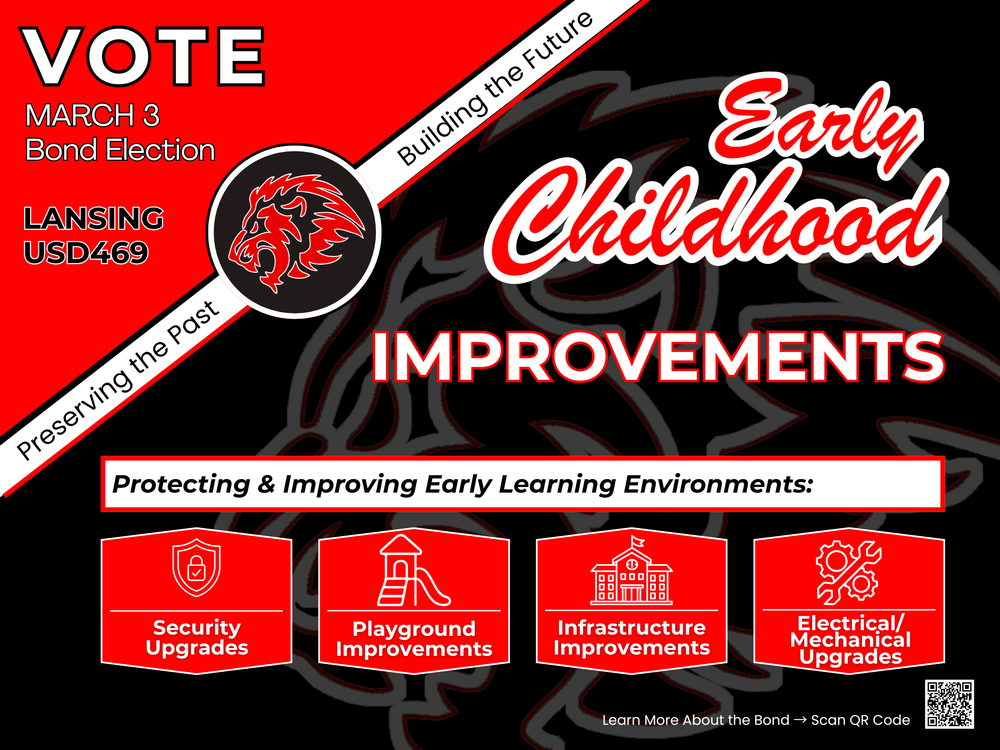
One of the priorities included in Question 1, the Base Facilities Package, is targeted improvements to Lansing USD 469’s Early Childhood Center. Through the 2024 community pho...
February 12, 2026
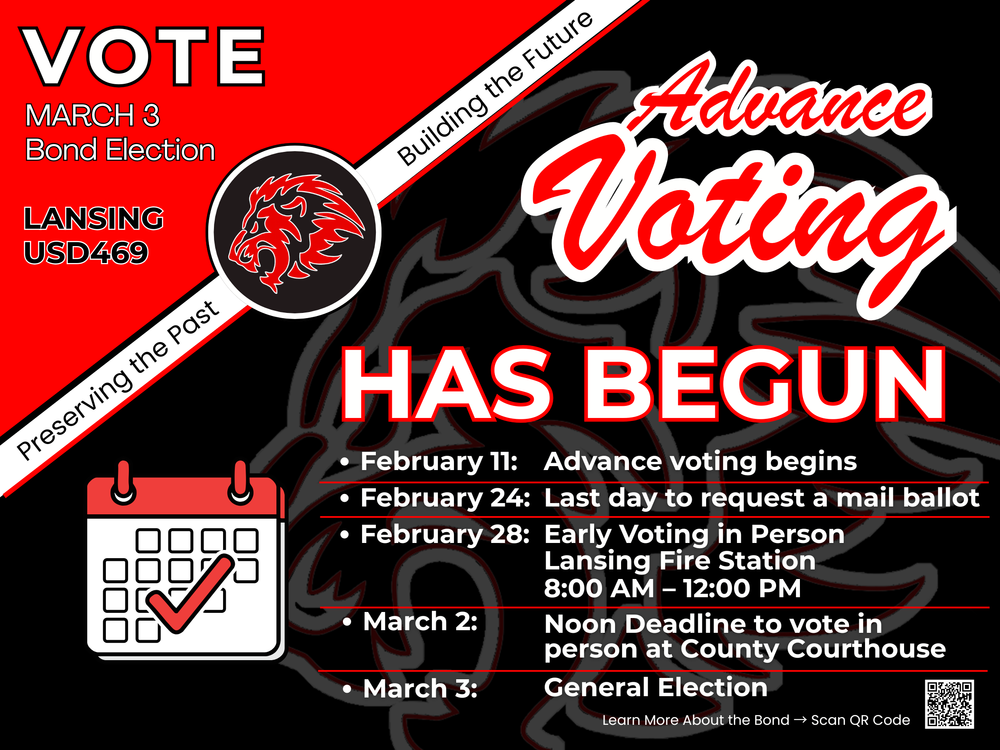
Advance voting for the March 3, 2026 USD 469 Bond Election is now open. We encourage all eligible voters to review the information available on our website and participate in ...
February 11, 2026
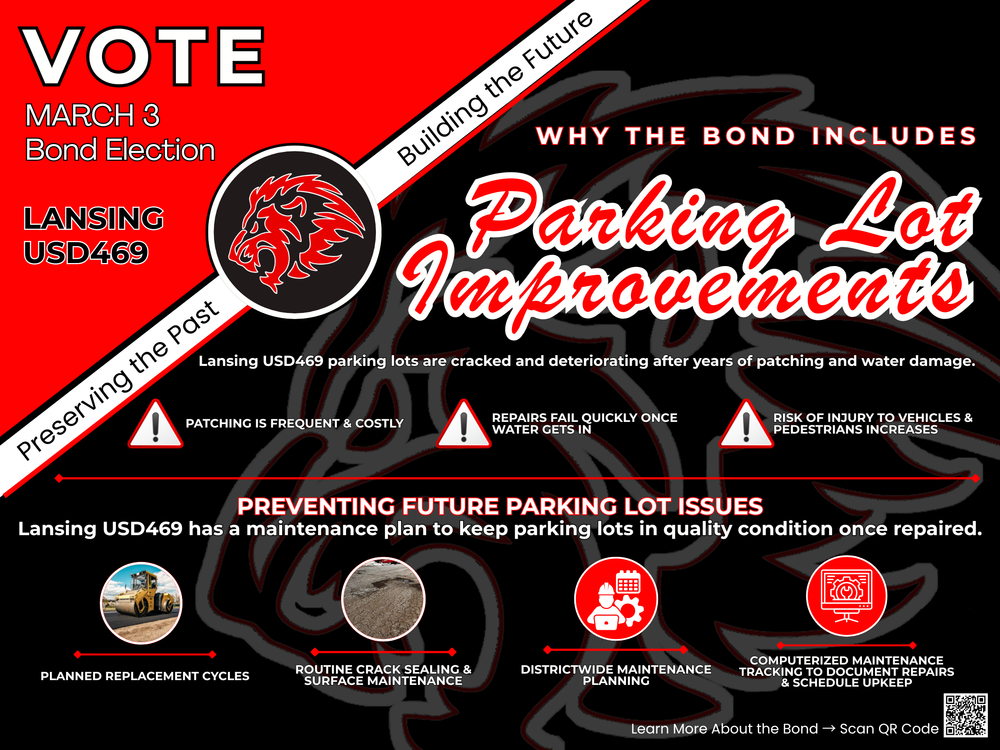
One of the most visible signs of deferred maintenance across Lansing USD 469 is the condition of our parking lots. Cracking, uneven surfaces, drainage issues, and repeated patchin...

February 10, 2026
Listening to Our Community One of the clearest messages from our community survey was strong support for expanding Career and Technical Education (CTE) opportunities for student...
February 9, 2026
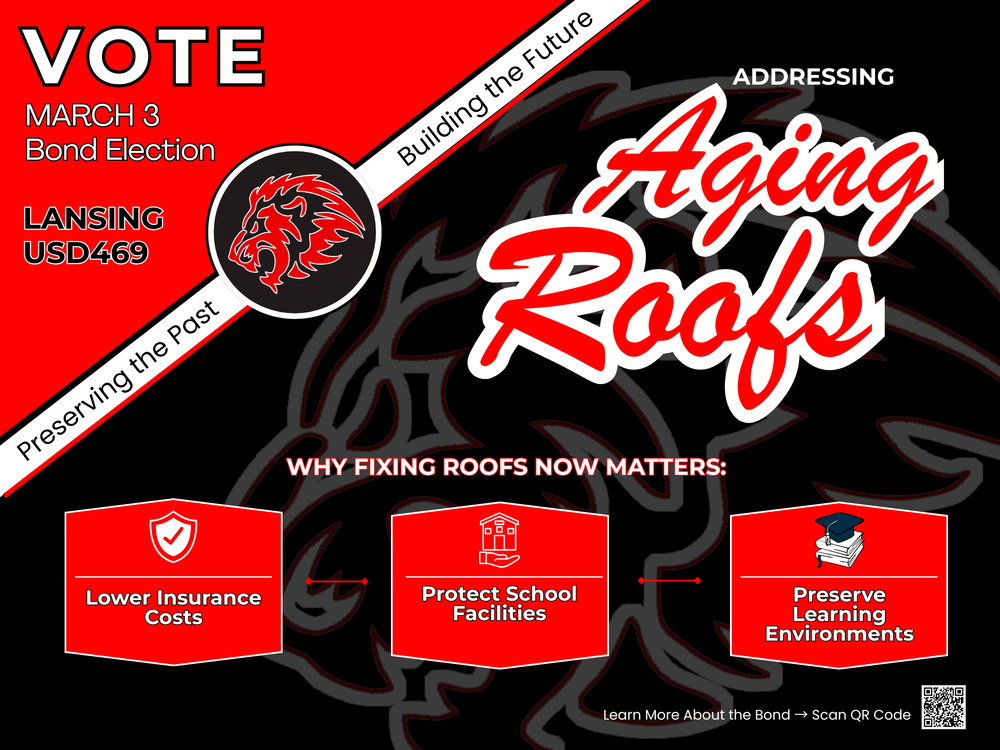
One of the most common questions Lansing USD 469 hears from the community is, “Why are roofs such a priority in this bond?” The answer is simple but important: many district r...
February 6, 2026
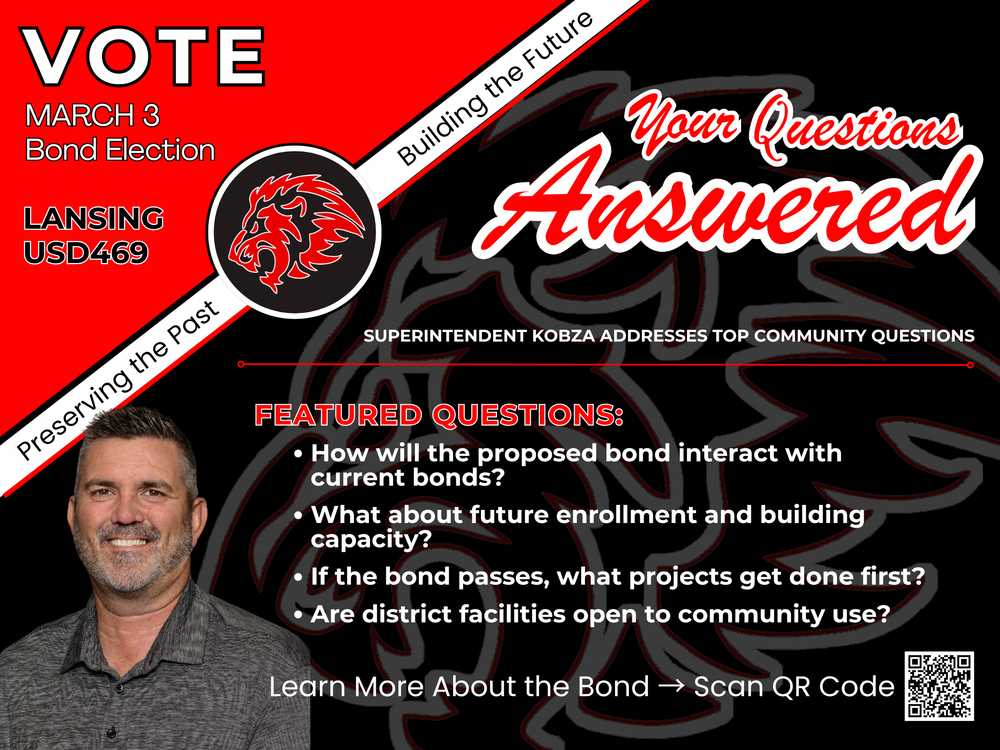
As part of our ongoing Bond Information Series, Lansing USD 469 is addressing questions we are receiving through our online question form and during community presentations. Super...
February 5, 2026
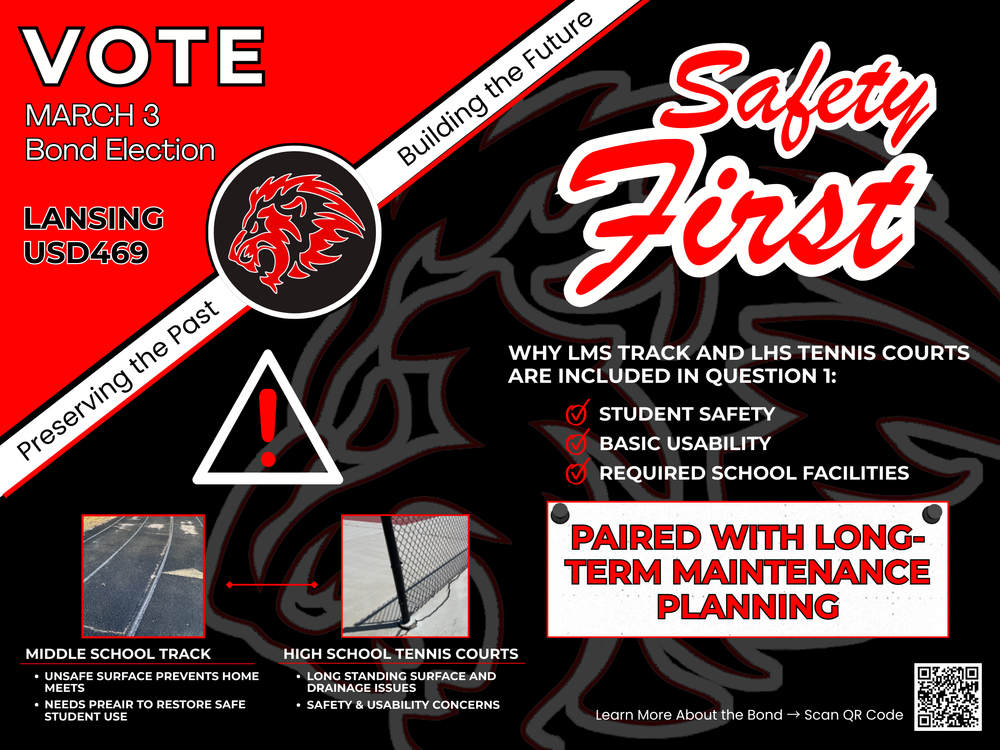
As part of the proposed March 3 bond election, repairs to the middle school track and high school tennis courts are included in Question 1 because they are safety-related facility...