
Lansing USD469 is beginning the 2026-2027 school year with a renewed focus on creating positive, consistent experiences for staff across the district.
At the August 10, 2026 Board of Education meeting, Director of Student Services Ascendra Donald shared an update on work that began last spring with the district’s School Experience Index and continued during the July 30-31 administrative retreat. The process gave district and building leaders an opportunity to listen to staff feedback, identify areas of strength and opportunities for improvement, and develop actionable plans for the months ahead.
At the heart of the work is a simple idea: Every interaction contributes to the culture of an organization.
As Mrs. Donald explained in her presentation, experiences are created through everyday touchpoints such as emails, meetings, conversations, moments of recognition, and interactions among staff, students, families, and leaders. Over time, those individual experiences combine to shape how people perceive their school and district.
Listening to Staff to Understand the “Why”
Last spring, Lansing USD469 staff members were invited to complete an anonymous School Experience Index. During the Board presentation, Mrs. Donald explained that the tool differs somewhat from a traditional climate survey.
While a climate survey can help answer the question, “How do people feel?” the School Experience Index looks more closely at the organizational conditions and experiences that may be contributing to those feelings.
The index examines five key areas:
Communication Clarity
Leadership Support & Credibility
Psychological Safety
Consistency & Predictability
Workload & Emotional Sustainability
During her presentation, Mrs. Donald shared that psychological safety emerged as an area of strength. Staff feedback also pointed leaders toward areas where continued attention is needed, particularly communication.
From Feedback to a Plan
The district did not want the survey results to simply become another set of data.
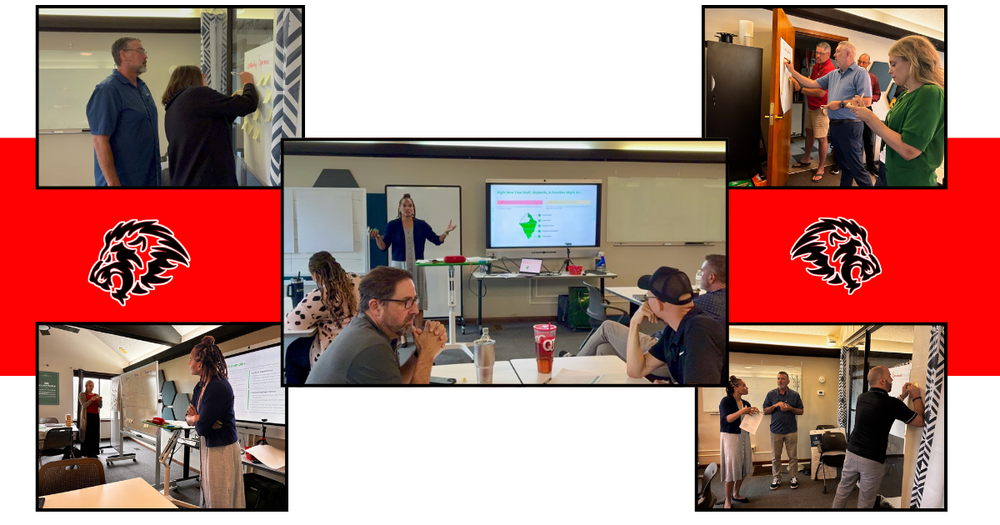
During the July 30-31 administrative retreat, leaders reviewed district-wide results as well as data specific to their schools. They worked together to identify patterns, establish shared expectations, discuss ways to strengthen communication, and develop priorities for moving forward.
The retreat culminated in the development of 90-day plans, allowing individual leadership teams to respond to the needs identified through their own data while also working toward common district-wide goals.
Several themes emerged across the district, including improving communication consistency, strengthening leadership follow-through, creating predictable communication systems, increasing visibility and transparency, and improving alignment among leaders.
One reflection shared by district leaders captured the purpose behind the work:
“Our staff told us what they need. Our commitment is to act on it, not file it away.”
Leaders also emphasized that improving the staff experience is not separate from the district’s work with students. As another reflection stated, “Our commitment is to continually improve the staff experience because it directly impacts student success.”
Keeping the Work Moving
The administrative retreat was designed to be a starting point rather than a one-time activity.
Over the next 90 days, leadership teams will implement their identified priorities, strengthen communication systems, regularly monitor their progress, and continue working toward greater alignment across schools and departments.
Mrs. Donald shared with the Board that the work has also been added to the district’s bi-weekly administrative meetings, giving leaders a regular opportunity to revisit their plans, discuss progress, identify needed resources, and adjust their approach when necessary.
The district also plans to readminister the School Experience Index so leaders can compare future results with the baseline established through the initial survey and determine whether the changes being implemented are making a difference.
Ultimately, the goal extends beyond improving a survey score. The district wants staff to experience clear communication, consistent leadership, and predictable expectations; students to experience safe and supportive learning environments and stronger connections; families to receive timely communication and know where to turn for information; and leaders to operate with greater alignment and less reactive problem-solving.
As Mrs. Donald emphasized during her presentation, when people feel seen, heard, and valued by their leaders, they are better positioned to show up fully for students.
For Lansing USD469, that is what this work is ultimately about: listening, learning, following through, and intentionally creating an experience where staff feel supported and valued so they can continue doing their best work for Lansing students.